
Pool Replastering in Wilsonville, OR: Reading the Surface and Choosing the Finish
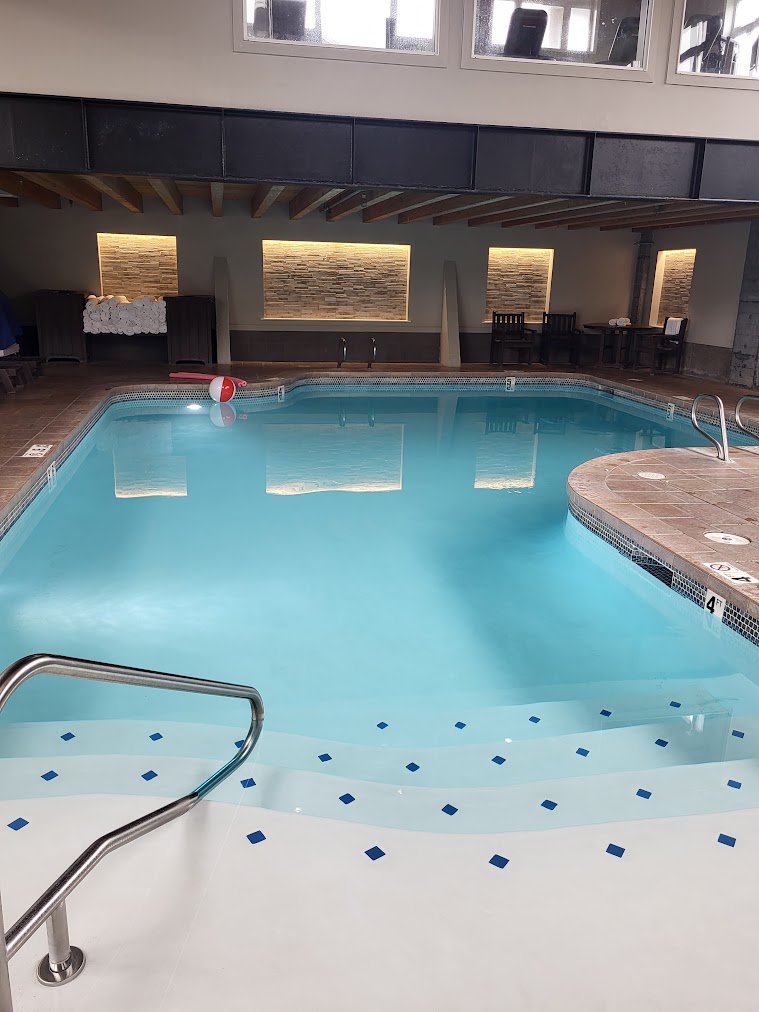
Pool replastering in Wilsonville, OR is a decision homeowners usually reach through their hands rather than their eyes. The surface starts catching a swimsuit, a stain stops responding to brushing, or the shallow-end floor turns chalky underfoot. Each of those signs says something different about what the plaster is doing and what should replace it.
Anderson Poolworks was originally founded by the Anderson family as Anderson’s Plastering, a company specializing in pool plastering, so this is the work the business was built around.
What follows is how we read an interior surface, what each finish option commits you to afterward, and why the first thirty days after a replaster matter more than the next five years.
Related: Pool Restoration in Wilsonville, OR: Knowing When to Renovate vs. Replace
What Does a Worn Pool Plaster Surface Look and Feel Like?
A worn pool plaster surface shows up as roughness, etching, stubborn staining or craze cracking. Roughness means the cement paste has eroded and left the aggregate proud enough to abrade skin, while etching gives the surface a soft, chalky feel as water chemistry pulls calcium out of it.
Spot staining that brushing and a standard acid treatment no longer lift is a third sign. Craze cracking, a fine map pattern across the surface, is usually cosmetic but sometimes marks a deeper problem.
We read all four together rather than in isolation. Roughness with etching points at chemistry over time, while roughness without etching is more often age. Staining concentrated at the returns or steps points somewhere different again.
Why Should Pool Water Chemistry Be Reviewed Before Choosing a Replaster Finish?
Pool water chemistry gets reviewed first because a new interior surface placed into unbalanced water degrades on the same schedule the old one did. Calcium hardness, alkalinity and saturation index are the three numbers that decide how long a plaster finish lasts, and Wilsonville winters put real demands on that balance.
If the previous surface etched, we want to understand why before specifying a replacement. The same conditions will treat the new finish the same way unless something changes.
What Pool Replastering Finish Options Are Available in Wilsonville, OR?
The main pool replastering finishes are standard white plaster, pigmented plaster, quartz and pebble. Standard white plaster is the traditional and most economical choice, giving the familiar pale blue water color and a smooth feel, and with balanced chemistry it performs predictably. Pigmented plaster darkens the water and hides some staining, at the cost of showing trowel variation more clearly.
Quartz and pebble finishes sit above that. Quartz aggregate adds hardness and stain resistance while staying relatively smooth. Pebble is the most durable of the three and the most textured, which suits a pool used hard and suits some feet less well, so we walk through the trade-off with the people who actually swim in it.
Related: When a Pool Renovation Makes More Sense Than Living With What You Have in Wilsonville, OR
What Happens During a Pool Replastering Project?
A pool replastering project moves from draining and surface preparation through repairs to the new finish. The pool is drained, and the existing surface is chipped or prepared depending on its condition and bond.
Any structural repair or tile and coping work is handled while the shell is dry, and the new finish is then applied, troweled and, for exposed aggregate finishes, washed to reveal the stone.
Tile at the waterline and the coping edge are worth resolving in the same visit. Both are far easier to reach with the water down, and both determine how the finished pool reads once it is full again.
Why Do the First Thirty Days After a Replaster Decide How Long the Finish Lasts?
The first thirty days decide a plaster finish’s lifespan because fresh plaster cures underwater, and its chemistry during that window sets its long-term durability. That calls for a deliberate startup: filling without interruption, brushing on a defined schedule, and holding the water balance inside a narrow band while the surface hardens.
Startup is where we see the largest difference between a finish that reaches its expected life and one that etches within two seasons. It is a hands-on month, and it is included rather than handed back to the homeowner.
Schedule a Pool Replastering Assessment With Anderson Poolworks
If the interior of your Wilsonville, OR pool is rough underfoot or staining in ways brushing no longer fixes, the useful first step is a surface assessment with a water chemistry review beside it.
Our team will tell you what the surface is doing, what is driving it, and which finish suits how the pool gets used. Anderson Poolworks has handled pool resurfacing and replastering across Oregon and Washington since the business began, and we would be glad to take a look.
Call Anderson Poolworks to schedule a pool evaluation with our team.
In Summary
How long does a pool replastering project take in Wilsonville, OR?
Most residential pool replastering projects run one to three weeks on site, depending on the condition of the shell and how much tile and coping work is included. The controlled startup then runs through the following thirty days, so the whole process is worth planning with a month of margin either side.
Can tile and coping be replaced at the same time as a pool replaster?
Anderson Poolworks recommends replacing tile and coping during a replaster, because the water is already down and the waterline is accessible. Combining the work means the pool is drained once and the finished edge stays consistent with the new interior.
What time of year suits a pool replaster in Wilsonville, OR?
Late spring through early fall gives the most reliable conditions for a Wilsonville replaster, because plaster application and the curing window both prefer settled weather. Scheduling early in that window leaves room for the thirty-day startup before the season ends.
Related: How Pool Renovation Brings an Aging Pool Up to the Standard of the Backyard Around It
About the Author
Anderson Poolworks has been building, renovating, and maintaining pools across the Pacific Northwest since 1997, when the company started as Anderson Plastering before growing into a full-scope pool builder with design, construction, renovation, and long-term maintenance all under one roof. The team holds leadership roles in PHTA, the Builders Council, and the National Plasterers Council, and has built test pools for national industry research at Cal Poly and helped implement federal pool safety standards across the region. This blog is where Anderson's team shares what nearly three decades of residential and commercial pool work has taught them, from the details most homeowners are never told to the questions worth asking before any project begins.
